
The first 10 Days of Dhul Hijjah are among the most blessed and sacred days of the Islamic calendar. The Prophet ﷺ declared: "There are no days in which righteous deeds are more beloved to Allah than these ten days."
The Virtue of the First 10 Days of Dhul Hijjah
In a Hadith narrated by Ibn Abbas (RA), the Prophet ﷺ said: "There are no days in which righteous deeds are more beloved to Allah than these ten days." The Companions asked: "Not even jihad in the cause of Allah?" He ﷺ replied: "Not even jihad in the cause of Allah, except for a man who goes out with his life and wealth and does not return with either." (Sahih al-Bukhari)
This is a tremendous reward for deeds performed in these days. Every moment — fasting, prayer, charity, dhikr, kindness to family — carries multiplied reward. These days are a precious opportunity for spiritual renewal and closeness to Allah.
The Sacred Days of Hajj
These ten days include the four most sacred days of Hajj:
1. The Day of Tarwiyah (8th of Dhul Hijjah)
Pilgrims enter into the state of Ihram on this day and prepare for the rituals of Hajj. "Tarwiyah" means to quench one's thirst — referring to the time when Prophet Ibrahim (AS) was searching for water in the desert for his son Ismail (AS).
2. The Day of Arafah (9th of Dhul Hijjah)
This is the most important day of Hajj. Pilgrims stand in prayer on the plains of Arafah, asking Allah for forgiveness. The Prophet ﷺ said: "Hajj is Arafah." (Sunan Abu Dawud)
The Day of Arafah is also the day when:
- Allah completed His religion (Surah Al-Ma'idah 5:3)
- Allah forgives the sins of the pilgrims
- Muslims not on Hajj are encouraged to fast this day, as fasting on Arafah expiates the sins of the previous year and the coming year
3. The Day of Sacrifice — Eid al-Adha (10th of Dhul Hijjah)
This is the day of Eid al-Adha, when Muslims around the world sacrifice an animal to commemorate Prophet Ibrahim's (AS) willingness to sacrifice his son Ismail (AS) in obedience to Allah. The sacrifice is distributed among family, relatives, the poor, and the needy.
4. The Days of Tashreeq (11th, 12th, and 13th of Dhul Hijjah)
These are the days when pilgrims throw the Jamarat (stones at the pillars representing Shaytan) and complete the rites of Hajj. The Prophet ﷺ said: "The days of Tashreeq are days of eating, drinking, and remembrance of Allah."
Recommended Deeds During the First Ten Days
1. Fasting
The Prophet ﷺ encouraged fasting during the first nine days of Dhul Hijjah, especially on the Day of Arafah. Fasting six of these days (excluding the Eid day) is equivalent to fasting an entire year according to some scholars.
2. Dhikr (Remembrance of Allah)
Allah says: "That they may witness benefits for themselves and mention the name of Allah on known days..." (Surah Al-Hajj 22:28). The days of Dhul Hijjah are the "known days" — and remembrance of Allah is especially beloved during them. Common dhikr phrases:
- Takbeer: "Allahu Akbar, Allahu Akbar, La ilaha ill-Allah, Wallahu Akbar, Allahu Akbar, Walillahil hamd"
- Tahmeed: "Alhamdulillah"
- Tahleel: "La ilaha ill-Allah"
- Tasbeeh: "SubhanAllah"
3. Reading the Quran
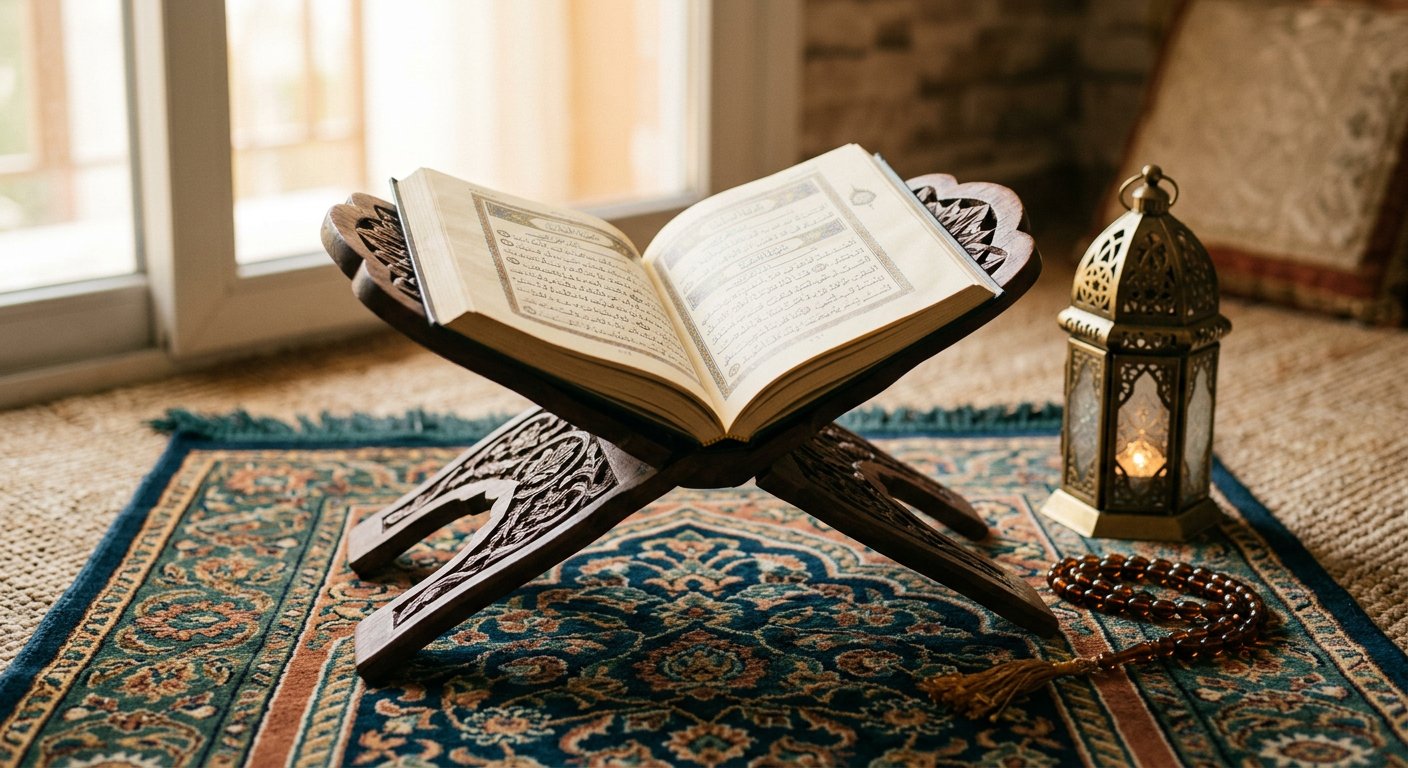
Spending time with the Quran during these blessed days multiplies the reward. Complete your reading, reflect on its meaning, and share its wisdom.
4. Charity and Sadaqah
The Prophet ﷺ was the most generous of people, and he was at his most generous during Ramadan. Similarly, charity during the first 10 Days of Dhul Hijjah carries immense reward. Give generously to those in need, sponsor an orphan, or support your local Masjid.
5. Qurbani (Sacrifice)
For those who can afford it, sacrificing an animal on Eid al-Adha is a strongly recommended Sunnah. The meat should be divided into three parts: one for the family, one for relatives and friends, and one for the poor and needy.
6. Performing Hajj or Umrah
If Allah has blessed you with the means and ability, performing Hajj during these days is one of the greatest acts of worship. The Prophet ﷺ said: "Whoever performs Hajj for the sake of Allah and does not utter any obscene speech or commit any sin, will return as pure as the day his mother gave birth to him." (Sahih al-Bukhari)
Important Note: Some scholars consider the days of Dhul Hijjah to be better than the last ten nights of Ramadan — but the last ten nights of Ramadan are special because of Laylat al-Qadr (the Night of Power). Both are tremendous opportunities that should not be wasted.
A Daily Routine for the Ten Days
- Wake up for Tahajjud and pray at least 2 rak'at
- Fast the day (especially the first nine days)
- Recite abundant dhikr, takbeer, and durood upon the Prophet ﷺ
- Read the Quran and reflect on its meaning
- Give charity generously
- Maintain family ties and be kind to others
- Make sincere du'a especially during the sacred hours before Maghrib on Arafah
- For those on Hajj, follow the rituals with full presence of heart
- For those not on Hajj, increase in voluntary fasting and prayer
- On Eid day, pray Fajr, attend the Eid prayer, perform the Qurbani, and celebrate with family
A Final Word: These ten days will pass quickly — but the rewards of deeds done sincerely during them will last forever. Make every moment count. Repent sincerely, give generously, pray fervently, and prepare to meet your Lord with a clean heart.